

Älmö is a beech forest area that is easy to wander through. Many interesting and rare species have been found here.
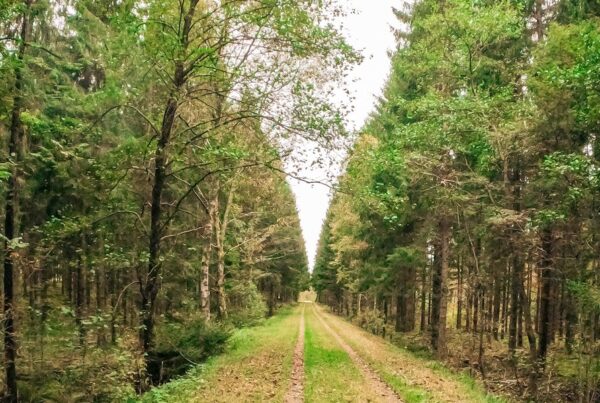
The reserve consists mainly of beech forest, but also includes other tree species such as oak, birch, pine, and aspen. There are also sections of planted spruce forest. In several places, small streams flow through the area, and in the low-lying parts, there are smaller wetlands. Even though there are no marked trails, it is easy to walk through the beech woods.
A Habitat for Red-listed Forest Species
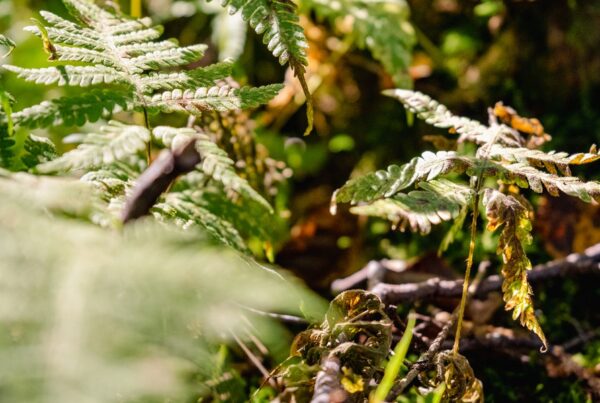
The area’s ecological value was highlighted during the key habitat inventory in 1994. Many red-listed and regionally significant cryptogams (plants without stamens or pistils, such as mosses) are found here. There is an abundance of flat feather-moss (Pleurozium schreberi) and lung lichen (Lobaria pulmonaria). Findings have also been made of the red-listed species Pachyphiale carneola (liten ädellav) and Bacidia rosella (rosa lundlav).
A Forested Area Through the Centuries
The area has been more or less forested since the 1600s, primarily with deciduous trees. It is only on a map from 1920 that coniferous trees appear within the reserve. On the older beeches, lung lichen grows abundantly, and in the northern part of the area there are about ten large oaks and several massive aspens.
Wetlands and Ancient Monument
Small wetlands and streams contribute to increased humidity and landscape variation. In these moist areas, old spruces stand alongside birch and pine. In the northern part of the reserve, there is also an ancient monument: a circular stone setting about five meters in diameter. It has a lightly moss-covered filling of stones.










 English
  Swedish